

Energy Independence
Take control of the power you use
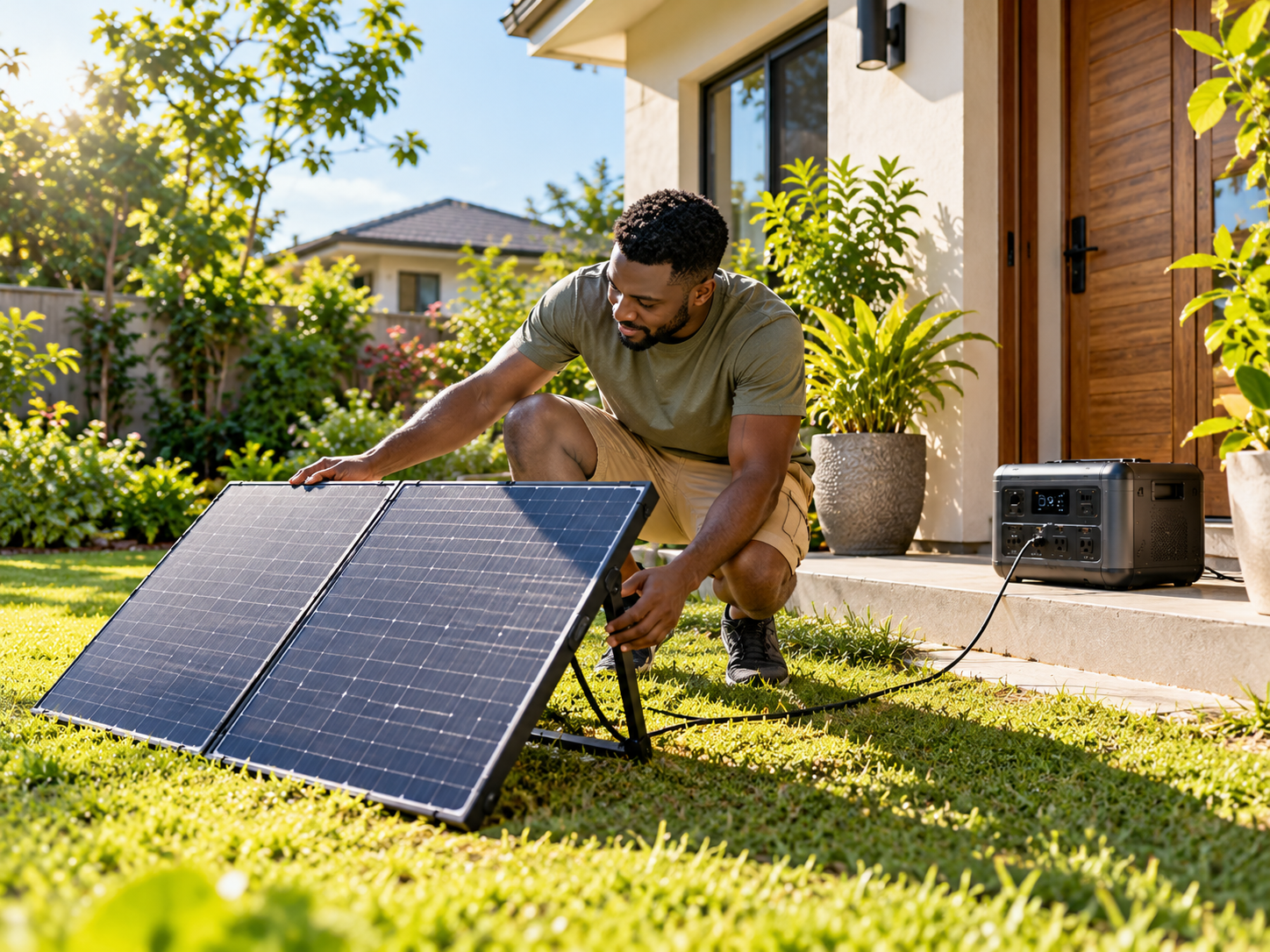
For people who want more control
First-time solar users
Try solar with a simple, plug-in setup before making bigger decisions.
Cabins and remote spaces
Power lights, tools and devices where the grid doesn't reach, or reaches unreliably.
Bill-conscious households
Use your own solar energy for chosen devices and reduce what you draw from the grid.
Sustainability-minded people
Replace some fuel and grid power with clean energy you make yourself.
See what you actually use
| Device | Watts × hours | Daily energy |
|---|---|---|
| LED lighting | 40 W × 5 h | 200 Wh |
| Wi-Fi router | 15 W × 24 h | 360 Wh |
| Laptop | 60 W × 8 h | 480 Wh |
| Phone and tablet charging | 20 W × 3 h | 60 Wh |
| Refrigerator (average over 24 h) | 60 W × 24 h | 1,440 Wh |
| Example total | ≈ 2,540 Wh a day |
Example: 2,540 Wh ÷ 4 peak sun hours ÷ 0.75 ≈ 850 W of panels. Peak sun hours depend on where you live and the season, and 0.75 allows for system losses. Panels may be less than this if you only cover part of your needs.
Size the panels
Size the battery
Start small, then grow
Start with essentials
Add panels
Add storage
Habits that make solar go further
- Run heavy appliances in the middle of the day, when panels produce the most.
- Switch to efficient LED lighting and efficient appliances where you can.
- Track your usage for a week and adjust, because the real numbers beat guesses.
- Keep panels clean and free of shade for the best output.
- Keep the grid or a backup option for the days solar can't cover.
Pick a starting point
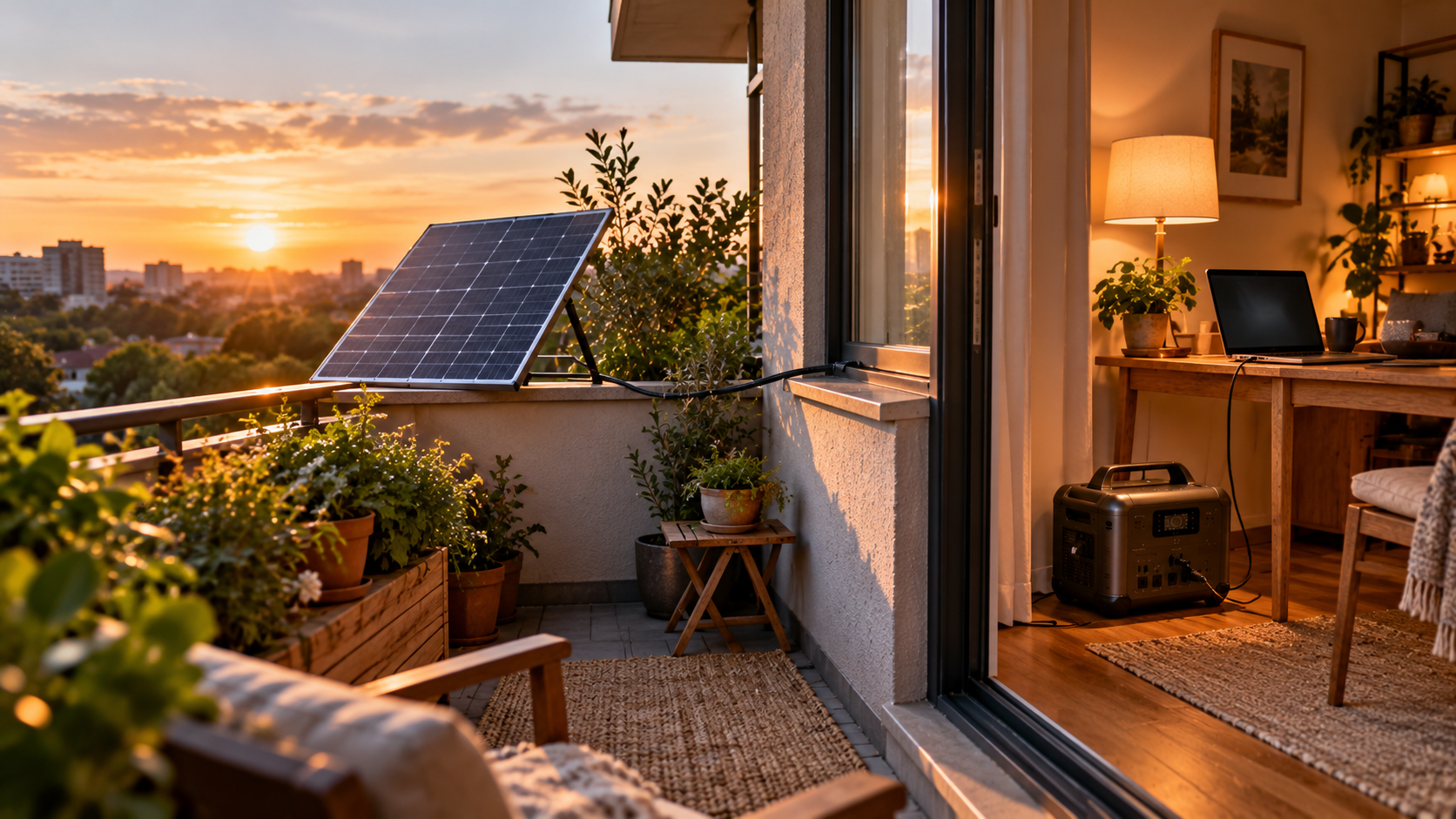
Starter Independence
- Strong solar charging
- Plenty for daily essentials
- Room to grow
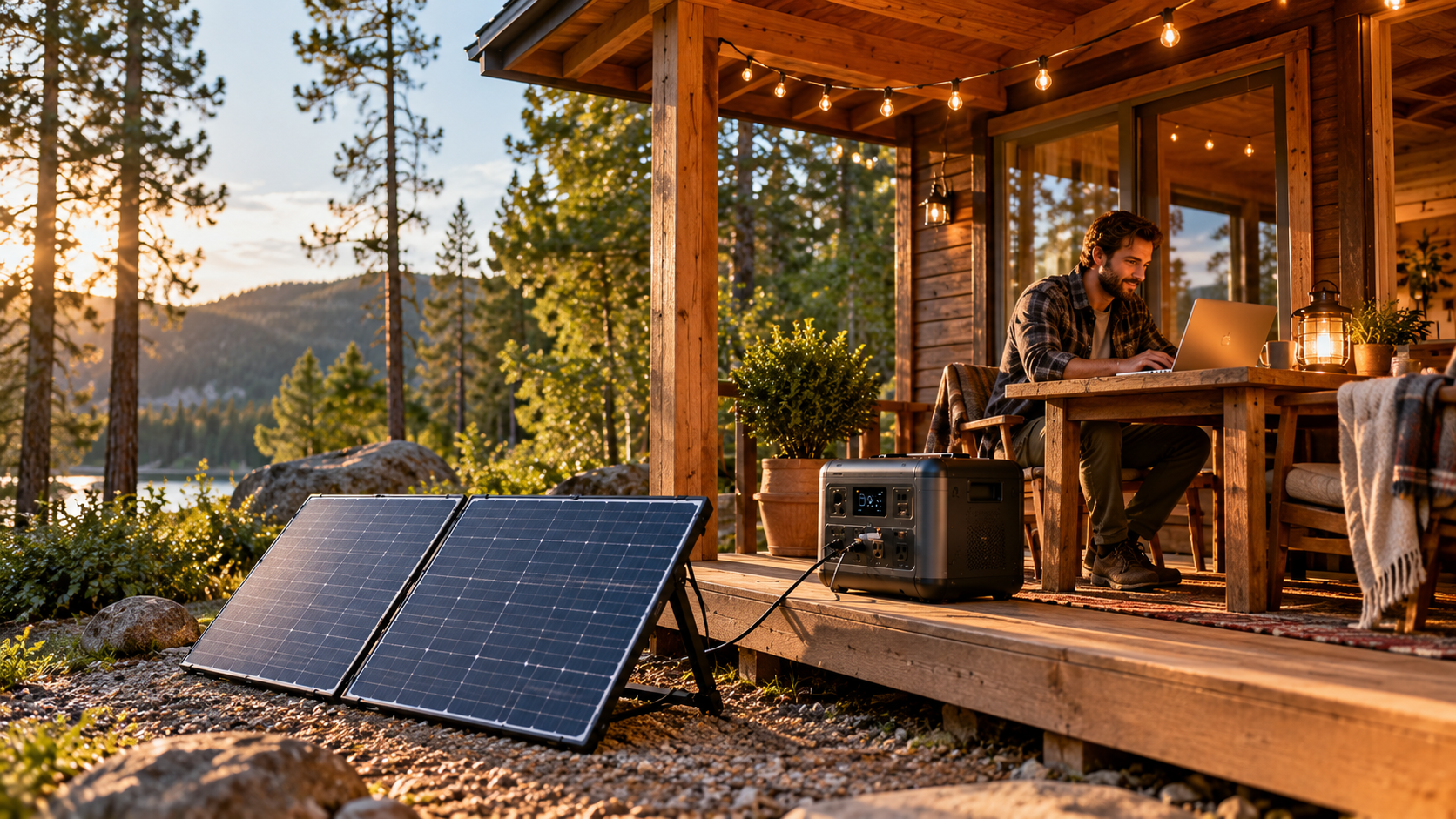
Growing Independence
- Higher capacity and output
- 400W panel included
- Add panels as you grow
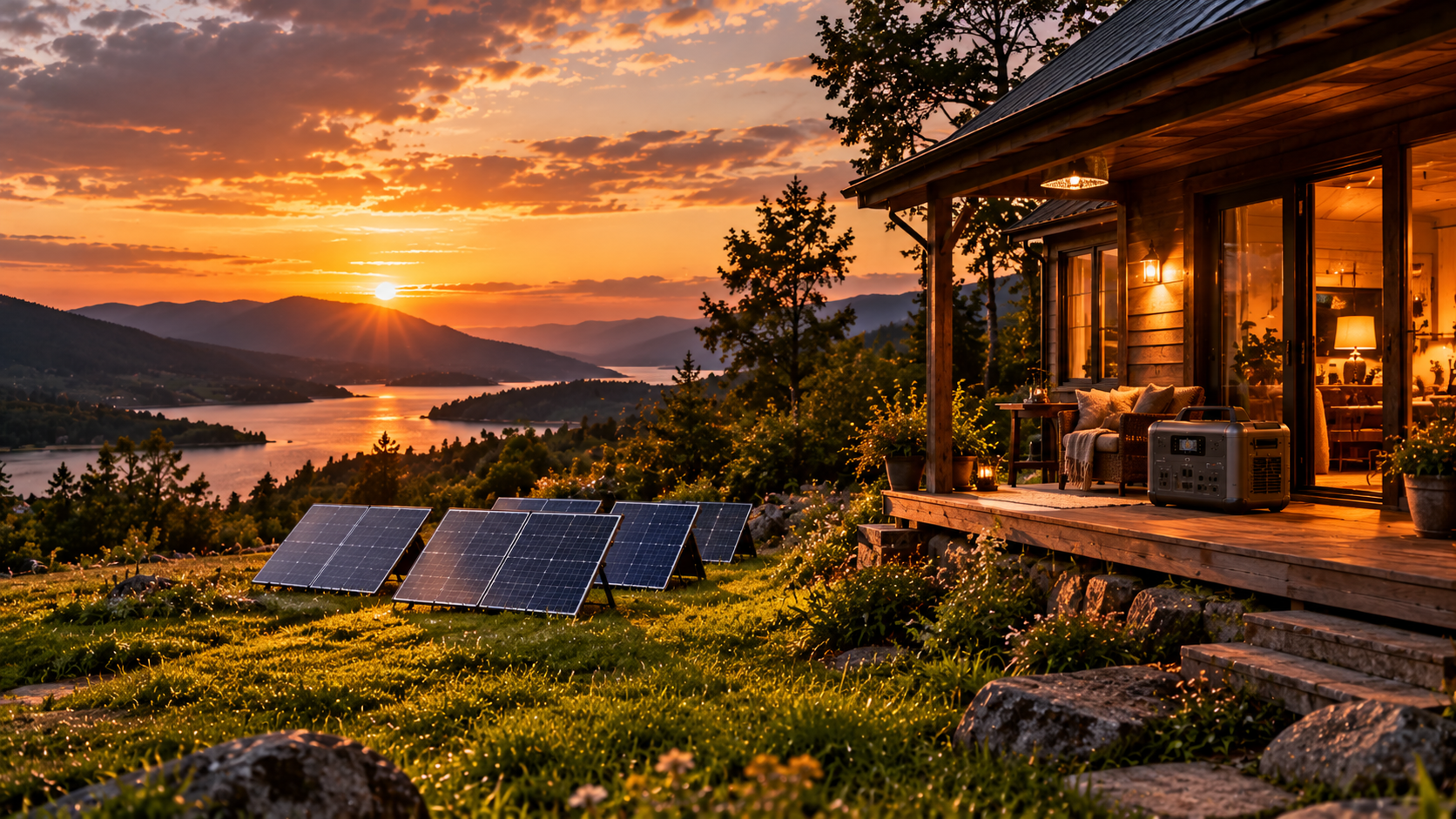
High-Capacity Independence
- Large storage for evenings
- High output
- Compatible with extra panels
Where your energy comes from
High-output panels
400W–600W panel setups produce the most energy per day. They're the backbone of a more independent system.
Foldable panels
Easy to move and re-aim, which helps you get more from the sun, and they can be stored when not in use.
Integrated panels
A compact laminated design suits places where you want a neat, simple setup.
What to look for as you grow
Capacity (Wh)
Large enough to carry your evening and overnight use.
Output (W)
Covers the loads you want to run at the same time.
Solar input
A higher input lets you add panels and charge faster.
Expandability
Check which panels and accessories it supports for later.
Charging options
Solar plus wall charging gives you flexibility.
Warranty and support
Long-term use deserves clear warranty cover.
Make it work every day
Plan
- Do an energy audit.
- Set a simple goal, such as powering lights and Wi-Fi.
- Choose a system you can grow.
- Check local rules first.
Use
- Run big appliances at midday.
- Use efficient devices.
- Keep panels clean and unshaded.
- Watch your battery level.
Grow
- Add panels as needs rise.
- Add capacity for the evenings.
- Review your usage every few months.
- Keep a backup option for cloudy spells.
Questions about energy independence
A portable system can power chosen devices and reduce your use of grid electricity. Powering a whole home entirely from solar and storage usually needs an installed system designed for your property and use. Portable setups are a great starting point.
It can reduce the grid electricity you use for the devices you power from solar. The saving depends on how much you use, your local electricity prices and how much sun you get, so we don’t promise a figure.
Work out your daily watt-hours, divide by the peak sun hours for your area and by 0.75 to allow for losses. That gives a rough panel wattage. The Energy audit above shows an example.
A battery lets you use solar energy after dark and during cloudy spells. Without it, you can only use energy while the panels are producing it. A power station gives you both in one unit.
Often yes. Check the solar input rating of your power station and what accessories it supports. Choosing one with a higher input leaves room for more panels.
Plug devices directly into the power station. Don’t connect it to your home wiring or a wall socket to power circuits. Any connection to home wiring should be done by a qualified electrician with approved equipment, and may need local approval.
Size the battery with spare capacity, reduce heavy use, and keep a backup such as the grid or a wall charger. Larger panel setups also help on cloudy days.
More ways to stay powered
Home Backup Power
Keep essential devices powered when the grid goes down.
Emergency Power
Be ready when dependable electricity matters most.
RV & Van Life
Take reliable power wherever the road leads.